
Oct 3, 2026
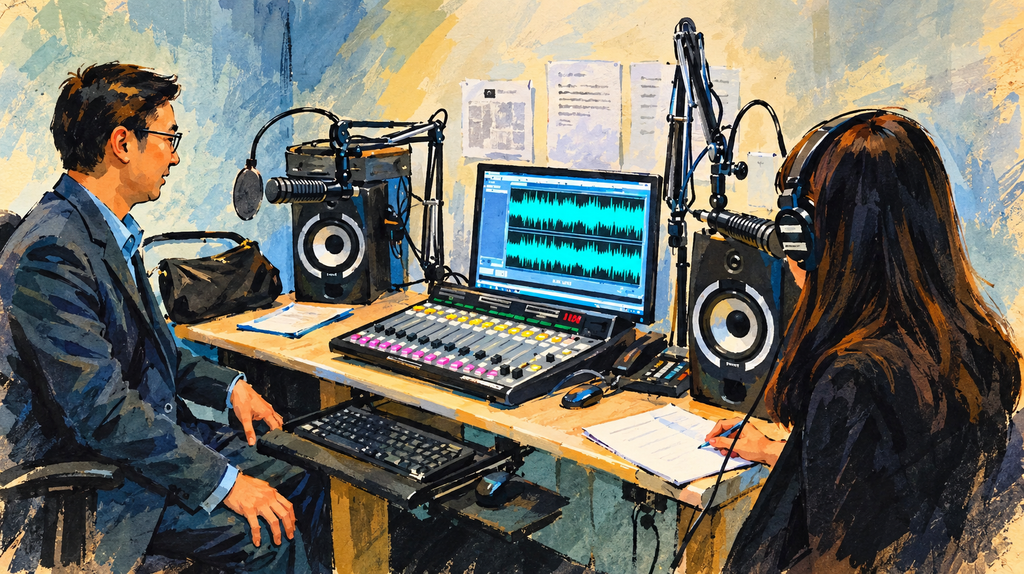
Transcript (Cantonese) [English translation follows]
Andrea:
歡迎大家收聽下晝 FM 100.7 嘅《The Weekend》。
智能 AI 究竟會唔會殺死我哋?我哋就唔知會唔會,不過 AI 幫到我哋呢,就一定會。而家仲有啲 AI 可以用廣東話打電話畀老人家喎,係乜嘢嚟嘅呢?我地搵來創辦人黃廣基博士,佢係 Seneca 學院嘅教授,歡迎你。
Ken:
首先多謝 Andrea 再次邀請我嚟你嘅節目啦。各位聽眾你哋好,我係 Ken。咁呢兩年嚟呢,我就專注喺 AI,咁又寫咗兩本關於 AI 嘅書,咁亦都喺新加坡的SUSS 大學都教咗幾年呢個 AI 課程。咁而家最近呢,就專注喺設計一位每日可以打電話同長者問好嘅 AI 陪伴,咁佢個名呢就叫做 Ling 姑娘。
Andrea:
Ling,零即係 zero 啦,即係零㗎嘛。
Ken: 係小玲個玲
Andrea: 阿玲啦。係啦,冇錯啦。咁其實呢,我哋即係如果睇科幻呢,咁我記得就係 iRobot 啦。咁老人家或者長者呢,就會有一個 robot,咁同佢做伴呀,俾藥佢食呀,同佢打理下嗰間、清潔下間屋呀等等咁樣。咁你哋呢一個 Ling 姑娘又係做啲乜嘢嘅呢,黃教授?
Ken:
係啦,你問得好啦。咁其實我哋設計呢個系統呢,主要呢係諗住即係可以同啲長者傾偈啦。咁其實就係好簡單嘅啫,嗰個做法呢,就係嗰個系統呢就每一日就會打個電話俾嗰啲長者,同佢哋問下,問下佢:「喂,你琴晚瞓得好唔好呀?呀,你精神點呀?食咗醫生開嘅藥呀?」
咁同時間呢,個長者如果佢悶呢,或者係佢總之想搵人傾下計呢,有個 24 小時呢都可以打通嘅電話。咁呢一個系統係唔需要用手機嘅,唔需要 download 任何嘅 app 呀,或者係 login 呀,或者記嗰啲密碼咁複雜,因為我哋主要係設計畀識得講廣東話嘅長者。咁佢呢個系統好簡單,一個普通嘅電話都得嘅。
Andrea:
咁就好似講嘢咁,就好似我而家同你傾偈、傾電話咁樣講嘢。其實係我哋叫做機械人啦,但係基本上就係一個 AI,即係電腦同佢講嘢。咁呢把聲係男,定係女,定係乜嘢,會唔會可以設計呀?定係其實長者會唔會覺得……
Ken:
設計呢個 Ling 姑娘呢個系統之前呢,咁我哋都係有同喺多倫多嘅長者傾過計。咁呢,你話聲咁,而家 Ling 姑娘就係第一,就係女性啦。咁如果遲啲有興趣嘅發展度,當然係可以整男聲啦。
咁我其實覺得呢度係好有趣嘅,因為 Ling 姑娘呢係會記得你個名啦,知道你嘅興趣啦。咁你同佢傾計嘅時候,佢就會 pick up 一啲資料。咁下一次呢,你再同佢傾電話嘅時候呢,佢會提返嘅。嗱,譬如你同佢講話:「我日日喺後院種花呀。」不過呢就,呃,麻麻哋啦,因為個天氣又唔係咁好咁樣。咁你下一次同佢傾呢,佢有時會即係問候下你呀,或者講下:「喂,你嗰啲後院啲花點呀?OK 唔 OK 呀?」之類。咁因為咁嘅情況呢,就佢哋長者覺得:「咦,好親切喎。而且係……你係會記得我講嘅嘢喎。」咁變咗就唔似同一個陌生人咁樣傾計㗎。
Andrea:
而呢個係 AI,所以會繼續學。佢會認識咗你,即好似有一個朋友咁,之後佢就會認識咗你、學……
咁其實係咪你哋都會設計到,如果個對話係會牽涉到一啲令人擔心嘅,譬如話嗰個老人家傾電話嘅時候,佢哋講:「喂,唔係呀,我而家好痛呀」,或者「我透唔到氣呀」,或者「我個心痛呀」,其實咁都係咪會有一啲機制,或者 AI 會識得知道需要話俾人聽,或者係醫療上面有啲問題呀,要搵醫生呀?咁會唔會咁㗎?
Ken:
係,當然會啦,因為我設計呢個系統嘅時候呢,係由呢個長者嗰個日常生活範疇去出發。咁喺同 AI 溝通嘅時候呢,AI 呢就會分析嗰個對話有冇問題。譬如講突然間講話,嗰個長者話:「哎,透唔到氣呀。」又或者突然間,譬如佢跌咗落地呀,突然間講唔到嘢,總之有啲情況係 AI 覺得係一個緊急嘅情況,咁系統即刻呢,就會 send 個 SMS 俾個 caregiver,或者可以同一時間呢,email 將個對話發畀嗰個 caregiver。
其實好緊要嘅,因為有時好多喺加拿大嘅老人家呢係獨居。咁變咗呢,嗰啲仔女呀,或者係嗰啲護士呀,或者其他 caregiver 呢,係好需要知道呢係發生緊啲咩事。
咁系統亦都有其他嘅 safeguard,例如,如果我係設計到每一日都打俾佢,但係如果個長者一連續呢三日都冇聽電話嘅,咁就好奇怪喇,係咪呀?就可能出咗事。咁嗰個系統亦都會即係通知嗰個仔女,或者話:「喂,你爸爸冇拎起電話,你睇睇佢。」
而每一個禮拜尾呢,禮拜日呢,嗰個系統亦都會寫返個 email,好詳盡嘅 email 俾啲仔女聽:「其實今個禮拜同你阿媽傾偈好開心。不過呢,佢禮拜三話呢,佢同隔離個鄰居嗌交打嚟添,麻煩你睇睇佢。」咁樣。當然呢唔會話每一樣嘢都講曬,即係有個 summary 咁。其實我覺得係一個 peace of mind 啦。
Andrea:
對於做仔女嚟講,即係有個報告添。有個報告,係啦係啦。
即係咁多,就正正係頭先我想問〔聽不清〕。會唔會其實係話,如果老人家,我哋擔心有好多樣嘢嘅:第一就係話佢哋好孤獨啦,又係一個人住,有個人同你傾下計啦,即 AI 同你傾下計啦,用廣東話。第二呢就係話身體上有啲咩出錯,頭先你講過喇。但係第三呢,就係如果佢哋越嚟越係顯示呈現一啲……或者腦退化嘅症狀,咁呢個 AI 亦都可唔可以咁辨別呢?定係未……譬如可能問佢一啲嘢,咁佢就話:「你有冇食嘢呀?」佢話:「我食咗喇。」[笑聲]〔聽不清〕會唔會係真係有一啲咁樣嘅嘢喺裏面呢?
Ken:
你問得好啦。其實喺科技上嚟講呢,呢啲設計呢係有嘅,但係喺呢個 Ling 姑娘呢個範疇、呢個 project 呢,係我哋未做落去呢個 feature。因為你要知加拿大呢,有好多唔同嘅種族啦,有好多唔同嘅語言啦。咁我哋今次整呢個 Ling 姑娘呢,就除咗廣東話之外嘞,我哋仲有其他 10 個唔同嘅語言。咁變咗要能夠同一時間可以分析到嗰個老人家嘅對話有冇一啲 medical 問題呢,咁就去到另外一個範疇,係一個醫學嘅範疇。咁就係個 project。
咁其實我哋 Ling 姑娘呢,係覺得係好有需要㗎。不如我俾啲資料你,俾啲數字睇下嗰一個情況係幾嚴重。其實喺加拿大嚟講呢,65 歲以上嘅人呢,大概有 810 萬,咁差唔多 5 個人呢,就有一個係 65 歲以上。而呢個數字呢,去到 2030 年呢,係上升到 23%。咁換言之呢,係好多老人家。
咁喺啲老人家入面嚟講呢,大概 43% 呢,係有社交孤獨風險嘅。咁呢個數字啦,係由 National Institute of Ageing喺今年一月公佈出嚟嘅。另外多個50%長者係曾經感覺到孤獨嘅。咁換言之呢,其實基本上就差唔多110萬嘅加拿大長者呢,係覺得感到孤獨。
咁我覺得喺我哋嗰個 healthcare system 呢,除咗我哋要照顧人家嘅,即係長者嘅身體需要外呢,情感,或者係佢哋個 mental health 呢,係都係好緊要㗎。
Transcript (English translation)
Andrea
Welcome to The Weekend on FM 100.7 this afternoon.
Will artificial intelligence end up killing us? We don’t know. But what we do know for sure is that AI can help us. And now there are even AIs that can phone seniors and speak Cantonese with them. What exactly is that? We’ve invited the founder, Dr. Ken Wong, a professor at Seneca. Welcome.
Ken
First of all, thank you, Andrea, for inviting me back to your show. Hello, everyone, I’m Ken. For the past two years I’ve been focusing on AI. I’ve written two books about AI, and I’ve also taught an AI course for a few years at SUSS, the university in Singapore. Recently I’ve been focusing on designing an AI companion that can phone seniors every day to check in on them, and its name is Ling.
Andrea
Ling. 零, as in “zero,” right? So it’s zero, isn’t it?
Ken
No, it’s the 玲 in 小玲 (Siu Ling).
Andrea
Ah, 阿玲 (A-Ling). Yes, exactly. Now, if we think of science fiction, I remember I, Robot. Seniors would have a robot that keeps them company, gives them their medication, tidies up, cleans the house, and so on. So what does your Ling do, Dr. Wong?
Ken
Good question. When we designed this system, the main idea was that it could simply chat with seniors. The way it works is actually very simple: every day, the system phones the seniors and asks them, “Hello, did you sleep well last night? How are your spirits? Did you take the medication the doctor prescribed?”
At the same time, if a senior feels bored, or just wants someone to talk to, there’s a number they can call at any time, 24 hours a day. The system doesn’t need a smartphone. There’s no app to download, no login, no complicated passwords to remember, because we designed it mainly for seniors who speak Cantonese. So it’s very simple. An ordinary phone is enough.
Andrea
So it’s like talking, like the way I’m chatting with you on the phone right now. We’d call it a robot, but basically it’s an AI, a computer you talk to. Is the voice male, or female, or something else? Can that be designed? Or would seniors actually feel…
Ken
Before we designed Ling, we talked with seniors in Toronto. As for the voice, Ling is the first one, and she’s female. If there’s interest, we can of course develop a male voice later on.
I actually find this part very interesting, because Ling remembers your name and knows your interests. When you chat with her, she picks up bits of information, and the next time you talk on the phone, she’ll bring them up. For example, say you tell her, “I garden in the backyard every day.” But, um, it’s been so-so lately, because the weather isn’t that good. The next time you talk, she might check in and say something like, “Hey, how are the flowers in your backyard? Are they doing okay?” Because of that, seniors feel, “Oh, how friendly. And… you remember what I said.” So it doesn’t feel like chatting with a stranger.
Andrea
And since this is an AI, it keeps learning. It gets to know you, like having a friend, and then it gets to know you, learns…
So can you design it so that if a conversation involves something worrying, for example, when the senior is on the phone and says, “Oh no, I’m in a lot of pain right now,” or “I can’t breathe,” or “My heart hurts,” is there a mechanism so that the AI knows it needs to tell someone, or that there’s a medical problem and a doctor is needed? Would it do that?
Ken
Yes, of course. When I designed this system, I started from the seniors’ daily lives. When they communicate with the AI, the AI analyzes the conversation to see whether there’s a problem. For example, if a senior suddenly says, “Ah, I can’t breathe,” or suddenly falls to the floor and can’t speak, in short, any situation the AI judges to be an emergency, the system immediately sends an SMS to the caregiver, or, at the same time, emails the conversation to the caregiver.
This is really important, because many seniors in Canada live alone. So their children, or nurses, or other caregivers really need to know what’s happening.
The system also has other safeguards. For example, if I’ve set it to call every day, but the senior doesn’t pick up for three days in a row, that’s strange, isn’t it? Something may have happened. So the system will notify the son or daughter, saying, “Hey, your dad hasn’t picked up the phone. Please check on him.”
And at the end of each week, on Sunday, the system also writes a detailed email to the children: “We had a lovely chat with your mom this week. But on Wednesday she mentioned that she had an argument with the neighbour next door, and it even got physical, so please look in on her.” Something like that. Of course, it won’t report everything she said. It’s a summary. I think of it as peace of mind.
Andrea
So for the children, there’s a report as well. A report, yes, yes.
That’s exactly what I wanted to ask just now 〔inaudible〕. We worry about many things with seniors. First, they’re very lonely and living alone, so it helps to have someone to talk to, the AI chatting with you, in Cantonese. Second, if something goes wrong physically, which you just covered. But third, if they increasingly show signs of… perhaps symptoms of dementia, can this AI tell? Or not yet… for example, by asking them something like, “Have you eaten?” and they say, “I’ve eaten.” [laughter] 〔inaudible〕 Is there really something like that built in?
Ken
Good question. Technically speaking, designs like that do exist, but within this Ling project, we haven’t built that feature yet. You have to understand that Canada has many different ethnic groups and many different languages. For Ling, besides Cantonese, we have 10 other languages. So being able to analyze, at the same time, whether a senior’s conversation shows any medical problems takes us into another domain, the medical domain. That would be a project of its own.
But we feel Ling is badly needed. Let me give you some data and numbers to show how serious the situation is. In Canada, there are about 8.1 million people aged 65 and over, which means nearly 1 in 5 people. By 2030, that figure rises to 23%. In other words, a lot of seniors.
Among those seniors, about 43% are at risk of social isolation. This figure was published by the National Institute on Ageing in January this year. In addition, another 50%+ of seniors say they have felt lonely at some point. In other words, nearly 1.1 million Canadian seniors feel lonely.
I think that in our healthcare system, besides taking care of seniors’ physical needs, their emotional wellbeing and their mental health are also very important.